
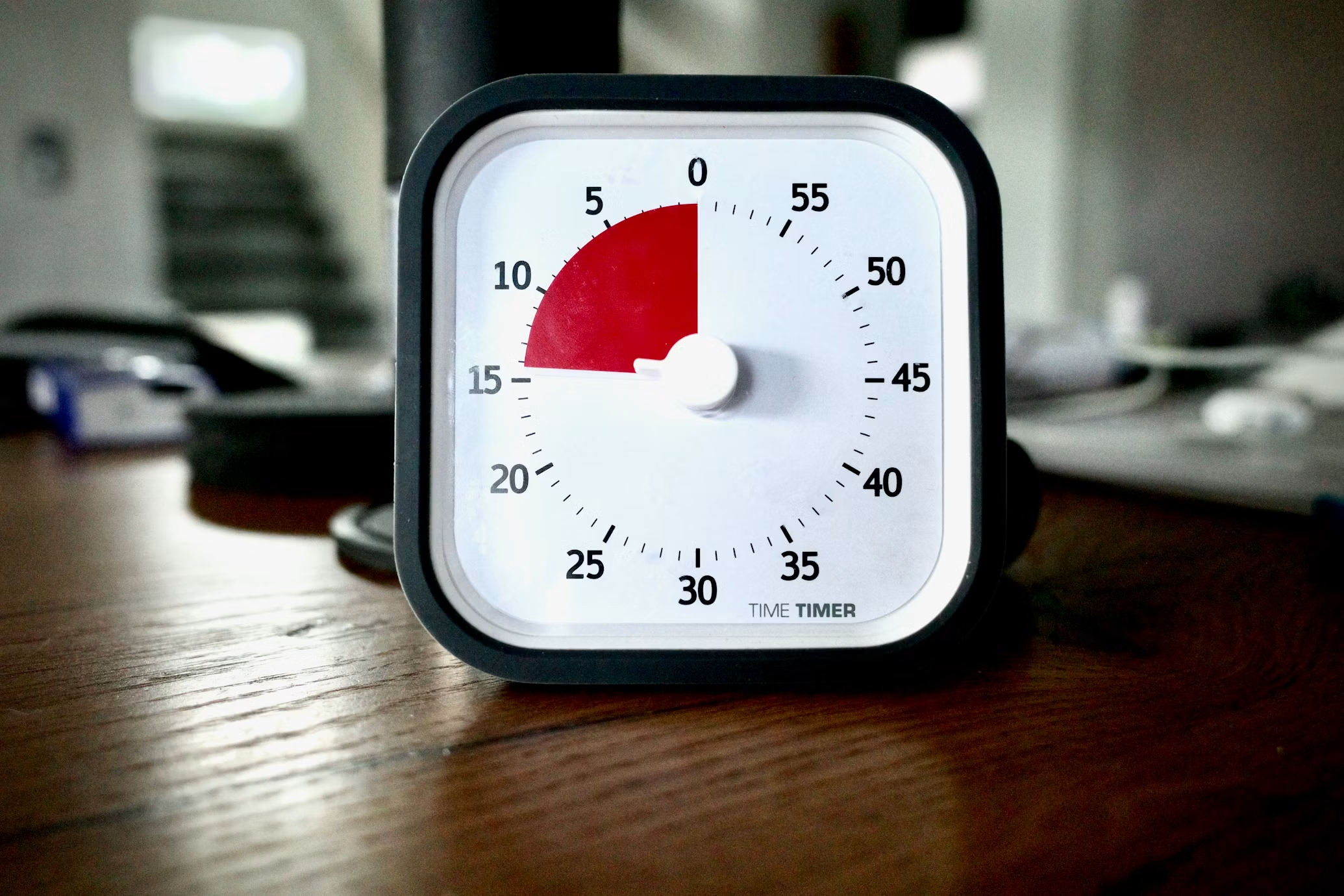
Here's a number that stuck with us: seven minutes.
That's how long one therapist has between sessions for documentation. Fifty-three minutes with a client, seven minutes to write the note, then the next client walks in.
Seven minutes to capture what happened, what was said, and what the plan is, all while it's still fresh, before the next session starts and everything blurs together.
When it works, it works. One clinician told us she can knock out a SOAP note in five to ten minutes "when I'm motivated." But when she's not? "Far longer. And it's even harder when I get a backlog of documents that I have to do."
That backlog is where things unravel. Notes pile up. The weekend becomes admin time. The boundary between work and life gets blurry.
One therapist named it directly: "Time, time is always it. Having enough time for not just the folks in my practice, but also wanting a personal life."
She's not asking for much. Just enough margin to do the work without it spilling into everything else.
And it's not just the writing. It's the cognitive load. Notes have to satisfy insurance requirements. They need to show medical necessity. As one therapist put it: "There's a lot of games that you have to play in your documentation to show that the treatment is medically necessary."
So you're not just documenting the session. You're translating it into language that won't get your claim denied.
That's a lot to do in seven minutes.
Harbor is built for the time crunch. Documentation tools that work with your clinical brain, not against it. Suggestions that save you time without replacing your judgment.
Seven minutes should be enough, if the tools aren't fighting you.